
Hiking is one of the most rewarding ways to enjoy the outdoors. Whether you’re walking a short scenic trail or tackling a more challenging mountain route, the right gear can make the difference between a tiring experience and a truly enjoyable adventure. Comfort, safety, and preparation all play a role in how well your hike goes.
If you’re planning your next trail outing, here are the essential items that help keep you supported, hydrated, and ready for whatever the path brings.
Choosing the Right Hiking Pack
A good hiking pack is more than just storage—it’s your mobile base for the entire trip. The right pack keeps your gear organized while distributing weight comfortably so you can move efficiently.
When selecting a pack, comfort should be the priority. Look for padded shoulder straps, a supportive hip belt, and breathable back panels that help reduce sweat buildup. Adjustable straps also make a big difference, especially on longer hikes where weight distribution matters.
Size plays a role too. Smaller packs work well for quick hikes, while larger ones are better suited for longer adventures where you need extra layers, food, or emergency supplies. A well-fitted pack helps prevent strain and keeps you focused on the trail instead of your shoulders.
Proper Footwear for Trail Stability
Your footwear is one of the most important parts of your hiking setup. Trails can be uneven, rocky, muddy, or steep, so having shoes or boots that provide support and grip is essential.
Hiking shoes are typically lighter and more flexible, making them ideal for shorter or less technical trails. Hiking boots offer more ankle support and durability, which can be helpful on rugged terrain or longer hikes.
Good traction is key. Soles with strong grip help prevent slipping, especially in wet or loose conditions. Comfort is equally important—breaking in your footwear before a long hike can prevent blisters and discomfort once you’re on the trail.
Hydration Systems That Keep You Moving
Staying hydrated is critical during any hike, especially when you’re active or exposed to sun and elevation changes. Hydration systems make it easy to drink water regularly without stopping your pace.
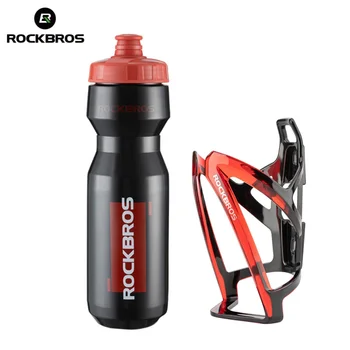
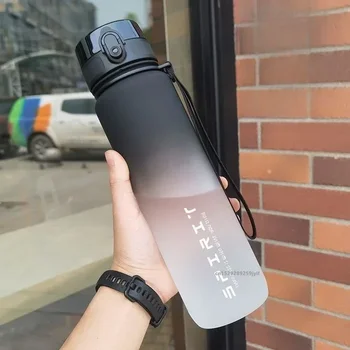
Hydration packs are especially popular because they allow hands-free drinking through a hose system. This makes it easier to sip water frequently, which helps maintain energy levels and prevent fatigue. Traditional water bottles still work well, especially when stored in side pockets for quick access.
No matter which option you choose, carrying enough water for your hike and knowing where you can refill is an important part of preparation.
Trekking Poles for Balance and Support
Trekking poles are often underestimated, but they can significantly improve stability and reduce strain on your joints. They are especially helpful on steep climbs or descents where balance becomes more challenging.
Using poles helps distribute effort between your upper and lower body, which can reduce fatigue over long distances. They also provide extra support on uneven terrain, helping you maintain rhythm and confidence while walking.
For beginners, adjustable poles are a great choice since they can be customized to your height and terrain type.
Safety Gear for Peace of Mind
Safety gear is one area where it’s better to be overprepared than underprepared. Even on short hikes, conditions can change quickly, so having basic emergency essentials is important.
A simple first aid kit can handle minor injuries like scrapes or blisters. A flashlight or headlamp ensures visibility if your hike runs longer than expected. Navigation tools such as a map, compass, or GPS app help keep you oriented on unfamiliar trails.
It’s also smart to carry small emergency items like a whistle, fire starter, or lightweight emergency blanket. These compact tools don’t take up much space but can be extremely valuable if needed.
Final Thoughts: Gear That Supports Every Step
Hiking becomes far more enjoyable when your gear works with you instead of against you. A supportive pack, reliable footwear, proper hydration, trekking poles, and basic safety tools all come together to create a smoother, safer trail experience.
The goal isn’t to carry the most gear—it’s to carry the right gear for your needs and comfort level. As you gain experience, you’ll learn what works best for your hiking style and the types of trails you enjoy most.
What’s your most essential hiking item—the one you never hit the trail without? Sharing your go-to gear can help other hikers build confidence for their next adventure. 🥾🌲


0 Comments