
A good outdoor backpack can completely change the way you experience hiking, camping, or travel. The wrong one leads to sore shoulders, poor organization, and constant frustration. The right one feels comfortable, balanced, and like an extension of your body—letting you focus on the adventure instead of your gear.
With so many styles, sizes, and features available, choosing the best backpack can feel confusing at first. The key is understanding how different packs are designed and what features actually matter for your type of outdoor activity.
Understanding Different Types of Outdoor Backpacks
Not all backpacks are built for the same purpose. Some are designed for short hikes, others for multi-day camping trips, and some for general travel use.
Hiking backpacks are typically lightweight and designed for movement. They focus on comfort, breathability, and easy access to essentials while you’re on the trail. These packs often have streamlined designs so they don’t weigh you down during long walks or climbs.
Camping backpacks are usually larger and built to carry heavier loads. They prioritize storage capacity, making room for sleeping bags, cooking gear, clothing layers, and other overnight essentials. These packs often include more support features to handle extended weight.
Travel backpacks tend to focus on organization and accessibility. They are designed for easy packing and unpacking, with compartments that help keep clothing, electronics, and personal items neatly separated. Many also include features that make airport or road travel more convenient.
Choosing the Right Storage Capacity
One of the most important factors when selecting a backpack is how much space you actually need. Capacity is usually measured in liters, and choosing the right size depends on how long you plan to be out and how much gear you carry.
Smaller backpacks work well for short hikes or day trips where you only need essentials like water, snacks, and a light jacket. Medium-sized packs offer more flexibility for longer hikes or overnight stays, while larger backpacks are best for multi-day camping or extended outdoor travel.
Choosing a backpack that is too large can lead to overpacking and unnecessary weight, while one that is too small can leave you struggling to fit essentials. The goal is balance—enough space for your needs without excess bulk.
Comfort Features That Make a Big Difference
Comfort is one of the most important aspects of any outdoor backpack. Even a well-packed bag can feel unbearable if it isn’t designed properly for your body.
Padded shoulder straps help distribute weight evenly and reduce pressure on your shoulders. A supportive hip belt transfers much of the load to your hips, which makes carrying heavier gear much easier. This is especially important for longer hikes or camping trips.
Ventilated back panels also play a big role in comfort, especially in warm weather. They allow airflow between your back and the pack, reducing sweat buildup and improving overall comfort during long treks.
Adjustability is another key feature. A backpack that can be tailored to your torso length and body shape will always feel more secure and balanced on the trail.
Smart Organization and Accessibility
A well-designed backpack isn’t just about carrying gear—it’s about accessing it quickly and efficiently when you need it.
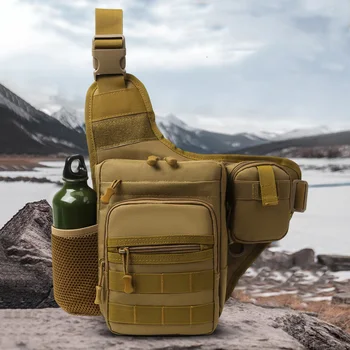
Multiple compartments help separate items like clothing, food, tools, and electronics so you don’t have to dig through everything to find what you need. External pockets are especially useful for items you want to reach quickly, like water bottles or snacks.
Some backpacks also include hydration sleeve compartments, which allow you to use a hydration reservoir for hands-free drinking. This is especially useful for hiking and high-movement activities.
Good organization saves time and reduces stress, especially when you’re outdoors and conditions change quickly.
Matching Your Backpack to Your Activity
The best backpack depends heavily on how you plan to use it. A day hiker doesn’t need the same setup as someone going on a multi-day camping trip, and a traveler has different needs altogether.
For hiking, lighter packs with good ventilation and quick access to essentials work best. For camping, larger packs with strong support systems and higher capacity are more appropriate. For travel, organization and convenience often take priority over rugged outdoor durability.
Thinking about your primary use before buying helps narrow down your options significantly and ensures you get a pack that truly fits your lifestyle.
Final Thoughts: Finding the Right Fit for Your Adventures
Choosing the best outdoor backpack comes down to understanding your needs and matching them with the right features. When you consider backpack type, storage capacity, comfort, and organization together, the decision becomes much easier.
A great backpack doesn’t just carry your gear—it supports your journey, keeps you organized, and helps you move comfortably through any environment. Whether you’re hiking a local trail, camping in the wilderness, or traveling to new places, the right pack makes every adventure smoother and more enjoyable.
What matters most to you in a backpack—comfort, storage space, or organization? Sharing your preference can help others choose the right pack for their own adventures. 🎒🌲




0 Comments